Celebrating IWD: Anna Hoffmann
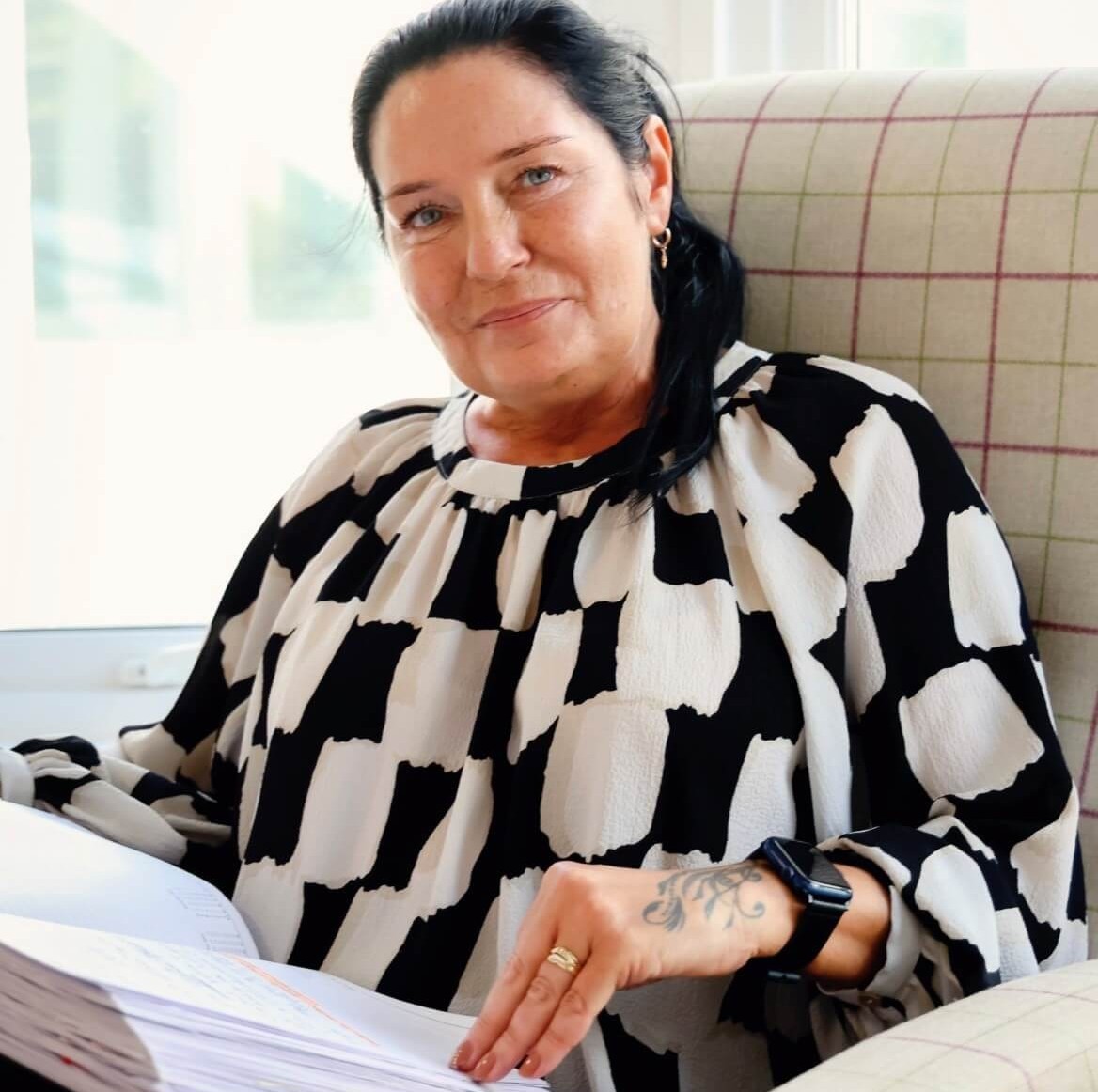
On a day that celebrates women, Renaissance Care is shining a spotlight on Anna Hoffmann, 57, recently appointed Home Manager at Cranford Care Home in Aberdeen.
Anna talks about her career in the Scottish care sector, achieving her ambitions and her plans to greater enhance lifestyle and wellbeing opportunities for residents at Cranford.
I can’t believe that I’ve worked in the care sector for almost two decades but, as the saying goes, time flies when you’re having fun!
For many years, I was a primary school teacher in Poland and when I moved to Scotland in 2007, my first job was a care assistant at Kirkton House in Westhill, Aberdeenshire.
That’s when I realised that I wanted to pursue a career in care and set myself a goal to be a care home manager. Today, I’m delighted to be leading the team at Renaissance Care’s Cranford Home in Aberdeen.
Managing a care home is hugely rewarding – and not without challenges – but I would say the most fulfilling aspects are being in a privileged position to help significantly improve the quality of life of residents, empowering them to live independently, and helping them through challenging moments.
Knowing that I am supporting people, including those with dementia and learning disabilities, gives me huge satisfaction, both professionally and personally, as does the opportunity to build meaningful relationships and strong bonds with residents and their families.
A typical day for me at Cranford starts at around 9:00am and ends between 5pm and 6pm. It usually involves planning, responding to emails, attending meetings, and completing core tasks but interacting with residents during walk arounds or joining scheduled activities (especially ones involving music and dancing) are a highlight!
Under my leadership, working hard and achieving positive outcomes for my team, the residents and relatives are a key focus and one of the approaches we’re excited to introduce soon at Cranford is Namaste Care.
Namaste is a Hindu term that means “to honour the spirit and this approach to care is holistic and sensory based, with a focus on improving the quality of life for individuals with advanced dementia or those nearing the end of life.
Activities include gentle hand massages with scented lotions to stimulate the senses, music therapy, aromatherapy and visual stimulation, such as the use of calming lighting or discussing personal photos. These are all designed to improve human connections and make residents feel valued.
In addition, a wide range of studies have found that intergenerational activities – which aim to bridge the gap between generations and encourage social relationships - provide care home residents with a sense of purpose and can promote wellbeing.
As such, we intend to develop an intergenerational program at Cranford that will involve visits from young children from local schools or nurseries as well as visits from “mums and babies” groups like Moo Music Aberdeen.
In a similar vein, I also want to see our residents engaging more with community events such as summer fayres, charity fundraisers, and open days. At Cranford, we think that linking our care home with the local neighbourhood is vital in helping residents to stay connected with “life” outside.
I strongly believe that we are taking important steps in enriching the lives of Cranford residents and I’m really looking forward to expanding our use of innovative care approaches.
When I’m not at work, I like to spend time with my family and my two wonderful grandchildren, Emilia (12) and Evan (9). I also really enjoy watching Netflix over a nice glass of white wine to help me relax and unwind after a busy week!
For more information on the home and its services, please visit Cranford Care Home .