Keeping Mealtimes Safe: A Guide to Bringing Treats for Your Loved Ones
Bringing in a favourite treat is a lovely way to connect — but for some residents, swallowing difficulties mean not all foods are safe. Find out how to choose suitable snacks and support safe, enjoyable mealtimes.
Bringing in a favourite snack or sweet treat for a loved one is a thoughtful and caring gesture — and it’s something we always love to see. It can be a way of continuing a special tradition or sharing something that brings back fond memories. Moments like these can offer comfort and create meaningful connections.
While these gestures are always made with the very best intentions, it’s important to remember that for some, eating isn’t always straightforward.
Why Do Some Residents Need a Textured Diet?
Dysphagia is the medical term for difficulty swallowing. Many of our residents have varying levels of ability when it comes to chewing and swallowing food.
To support their safety and wellbeing, some residents follow the IDDSI (International Dysphagia Diet Standardisation Initiative) framework.

* Image : IDDSI Framework
Changes in swallowing ability can happen for a number of reasons, including:
• Stroke
• Dementia
• Neurological conditions (such as Parkinson’s disease)
• General ageing or muscle weakness
If swallowing difficulties are identified, residents will be assessed by healthcare professionals and supported with a recommended textured diet that is safe and appropriate for their needs.
It’s important to recognise that dysphagia can affect people in different ways. For some, it may be temporary — for example, following a health incident — and they may recover and return to a regular diet. For others, swallowing difficulties may be longer-term and require ongoing support.
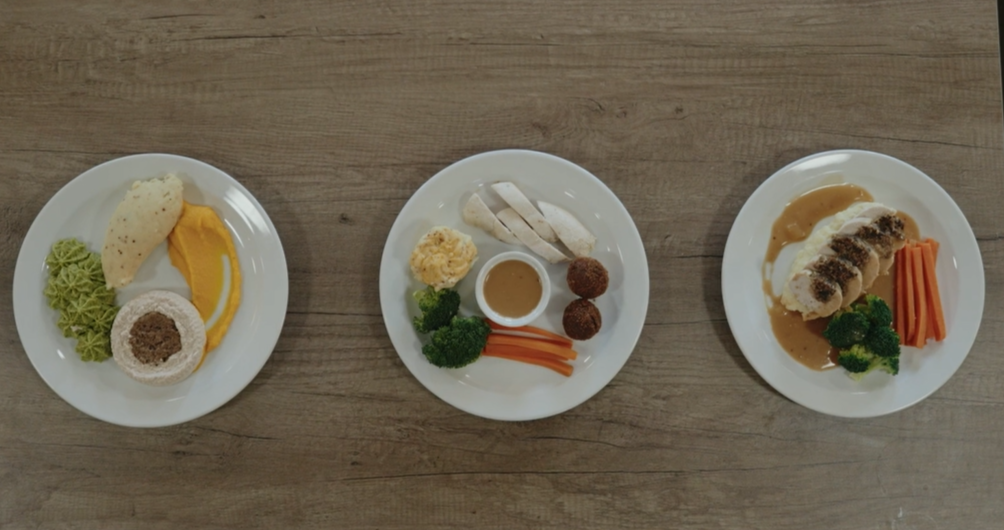
The IDDSI framework includes a range of food textures — from regular meals to softer, minced, and pureed options — all designed to reduce the risk of choking and make eating safer and more comfortable.
Because of this, not all foods are suitable for every resident.
Bringing in Food: What You Need to Know
We truly appreciate the kindness behind bringing in snacks – who doesn’t love a sweet treat after all? However, depending on a resident’s individual needs, some foods may pose a serious choking risk.
If you are planning to bring in food, we kindly ask that you speak with a member of the care team first. We are always happy to guide you towards options that are both safe and enjoyable for your loved one.
A Quick Guide to Safer Snacks
Level 5 & 6 Diets
Residents following Level 5 or 6 diets are usually able to enjoy a fairly varied diet, with foods prepared in a way that makes them soft and easy to chew. Our chefs carefully adapt meals to suit each resident’s needs, ensuring food remains both nutritious and enjoyable.
In addition to meals, there are also a range of snacks that may be suitable for residents at this level.
If you are bringing in snack options, please ensure that the items:
• Be soft and easy to chew
• Melt or break down easily in the mouth into a soft texture
• Require little to no chewing and minimal effort to swallow
Safer options include:
• Crisps & Puffs: Wotsits, Quavers, Skips, Pom-Bears, Veggie Stix, Monster Munch, prawn crackers
• Wafers & Soft Biscuits: Ice cream wafers, pink wafers, shortbread, Viennese whirls
• Chocolate: Chocolate buttons, chocolate chips
• Soft Cakes: Plain sponge cakes such as Madeira or ginger cake
Level 4 Diets (Pureed)
Level 4 diets consist of smooth, pureed foods designed for people who are unable to safely chew or manage hard or crispy foods. For residents following this diet, all food must be completely smooth, with no lumps, and require no chewing.
Foods are carefully prepared to achieve the right consistency — they should hold their shape on a spoon without being sticky or runny. This is often achieved by adding moisture, such as sauce, gravy, or milk, to ensure the food is both safe and easy to swallow.
As always, our chefs are trained to adapt meals to meet each resident’s individual needs, ensuring that dishes remain nutritious, flavourful, and enjoyable, while maintaining the highest standards of safety.
Example of how this can be adapted include (blending items in a food processer, adding enough liquid to ensure the correct consistency is achieved, in some cases, the finished product will have to be passed through a sieve to remove any fine particles that may remain).
Throughout the day, snacks are offered and can be provided by loved ones during visits. Safer options include:
• Smooth yoghurts (no fruit pieces)
• Mousses – chocolate or fruit flavoured
• Custards
• Smooth rice pudding (fully blended with no “bits” remaining when eaten)
• Whipped cream desserts
• Pureed fruit (often thickened with natural thickeners to ensure a safe consistency)
For a full list of sweet and savoury options, please speak to the chef within your home.
Foods to Be Careful With
When bringing foods into the home, it’s always best to double check they are safe for the resident to consume. Some foods may seem harmless but can actually be high risk for people with swallowing difficulties.
To help reduce the risk of choking, the following foods are not suitable for residents on textured diets:
• Hard, crunchy foods such as hard biscuits, crusty bread, that don’t soften
• Dry or crumbly foods such as crackers, dry cake
• Stringy or fibrous foods such as pineapple
• Sticky or chewy foods such as marshmallows, peanut butter on its own, jelly sweets and jelly
Why Are Marshmallows Risky?
Marshmallows are a common example of a food that may appear soft and harmless but can pose a serious risk for individuals with swallowing difficulties. While they are often offered with the best intentions, their texture changes significantly when eaten. When mixed with saliva, marshmallows become sticky and glue-like, making them difficult to control in the mouth and unsafe to swallow.
Unlike foods that melt easily, marshmallows can stick to the mouth or throat, form a lump that may block the airway, and leave residue behind after swallowing. This increases the risk of choking and aspiration (where food enters the airway). For these reasons, marshmallows should be avoided for residents following a textured diet.
Working Together to Keep Mealtimes Safe
We understand how important it is to share enjoyable moments with your loved one — and food is often a big part of that.
By choosing the right foods and checking in with our care team, you can help ensure those moments are both safe and enjoyable.
If you’re ever unsure, please just ask — we’re here to help.